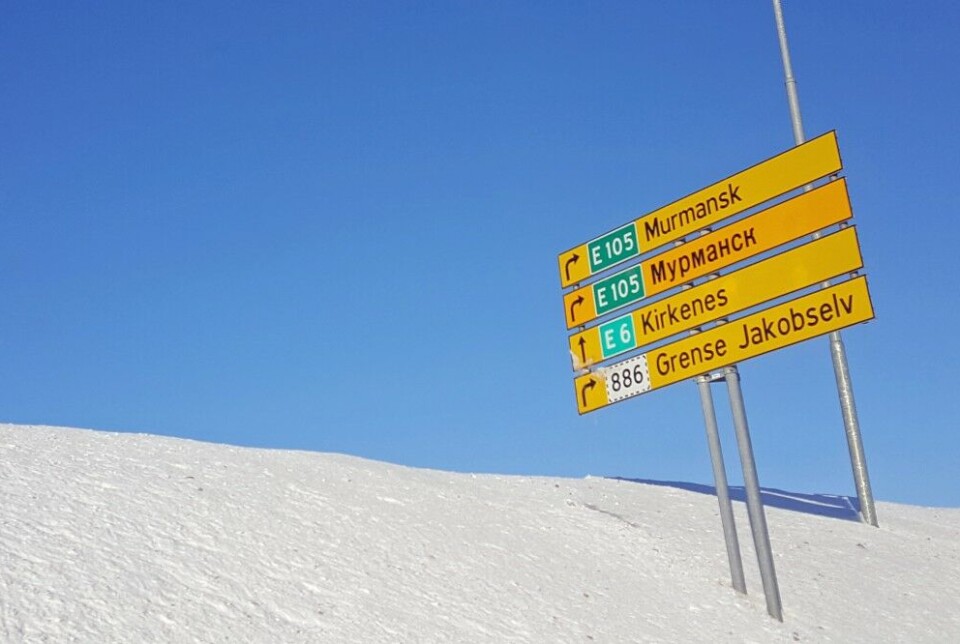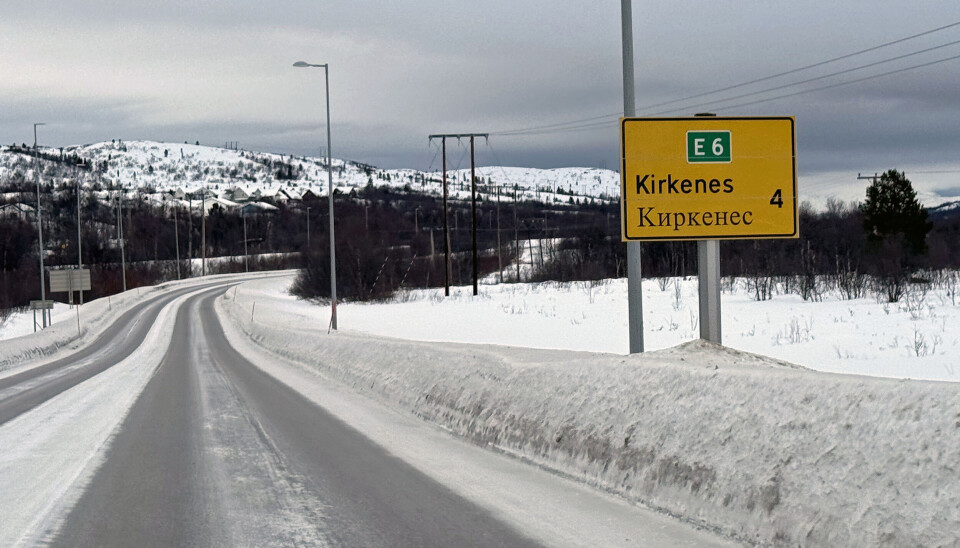
Cyrillic to be removed from road signs in Norway’s border region
Most vehicles registered in Russia are now banned from entering Norway, and the removal of Cyrillic signage is unlikely to leave anyone disoriented.

The signs were installed during a period of cross-border cooperation and trade. At that time, hundreds of vehicles bearing Russian number plates crossed into Norway from the Murmansk region each Saturday. Many drivers knew exactly how to reach the shopping centres in the border town of Kirkenes, or how to get to the airport, where low-cost flights attracted travellers from northern Russia seeking onward connections across Europe.
“At the time, signs were written in Cyrillic to make it easier for Russian-speaking road users to find their way between Kirkenes Airport and the junction,” said Tor Midtbø, Deputy Head of Communications at the Ministry of Transport, in an email to the Barents Observer.
However, times have changed. The peak of cross-border traffic seen more than a decade ago has all but disappeared. Since October 2023, Russian vehicles with fewer than ten seats have been prohibited from crossing the border. Today, just two or three minibuses a day transport travellers between Murmansk and Kirkenes Airport.
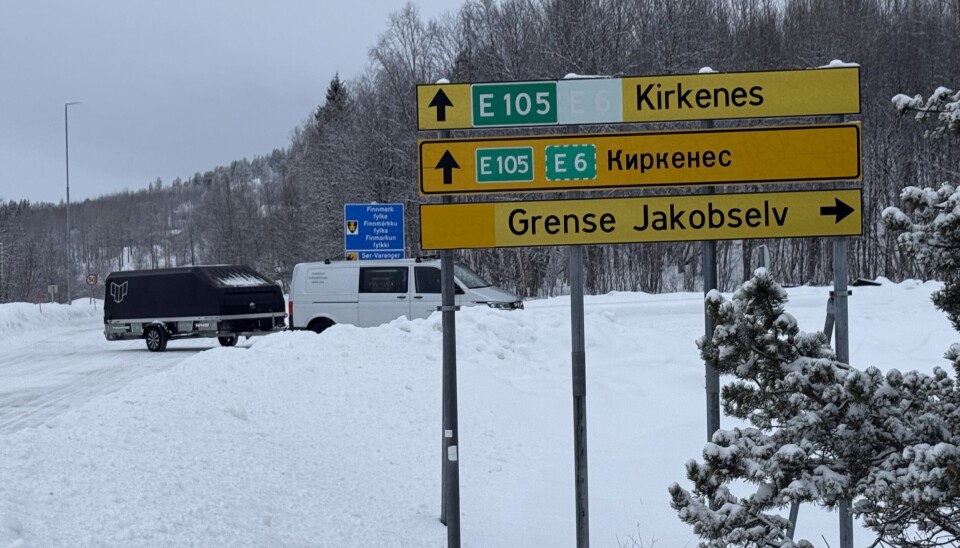
Midtbø said that some of the road signs featuring Cyrillic text now require revision. The Norwegian Public Roads Administration is currently reviewing the matter.
“In this context, the need for such signage will be assessed, and the road authorities must comply with the regulations that currently apply,” he explained.
The current traffic sign regulations do not explicitly permit the use of Russian Cyrillic text. As a result, special dispensation would be required to install new signs featuring Cyrillic.
However, no such applications are expected to be made.
It remains unclear when the existing Cyrillic signs will be removed. For now, they stand as reminders of a time before Moscow’s decision to invade Ukraine.