

Following the warmest April on record, Norway offers 38 areas in the Barents Sea for drilling
“The warmest April ever recorded in Northern Norway,” reported the Meteorological Institute in a statement released on the same day that the Norwegian government announced plans to open dozens of new offshore blocks to the oil and gas industry.
According to recent data, Europe is warming faster than any other region on Earth, with particularly extreme conditions observed near the Arctic Circle, including on Svalbard and the North Atlantic island of Jan Mayen.
Jan Mayen set a new record for the highest monthly temperatures, exceeding the previous record by 0.9°C, data from the Norwegian Meteorological Institute show. This marks the second consecutive month—March and April—in which the island has recorded unprecedented temperatures. Records there date back to 1921.
“It is very rare for a weather station with more than 100 years of observations to register record temperatures in two consecutive months. This clearly illustrates the pace of human-induced global warming we are now witnessing,” said climate scientist Jostein Mamen of the institute.
Despite the significance of these findings, the meteorological data received limited attention in Norway, overshadowed by a major government announcement made in Oslo on the same day.
“Today, the government is announcing new exploration acreage under the APA (Awards in Predefined Areas) scheme to further develop the petroleum sector. This will enable it to continue generating substantial value for society, support jobs across the country, safeguard our shared welfare, and contribute to Europe’s energy security,” said Prime Minister Jonas Gahr Støre in a statement on 5 May.
A total of 70 new blocks have been announced across the North Sea, the Norwegian Sea and the Barents Sea. Of these, 38 are located in the Barents Sea, part of the Arctic Ocean. No other circumpolar regions currently host offshore oil drilling at such northern latitudes.
The Norwegian Offshore Directorate has already invited petroleum companies to apply for these blocks, with a deadline of 1 September this year. New production licences are expected to be awarded in early 2027.
Norway has seen substantial revenues from surging oil and gas prices following Russia’s full-scale invasion of Ukraine in 2022 and the more recent US conflict with Iran. The country is now Europe’s largest supplier of natural gas and Western Europe’s leading producer of crude oil.
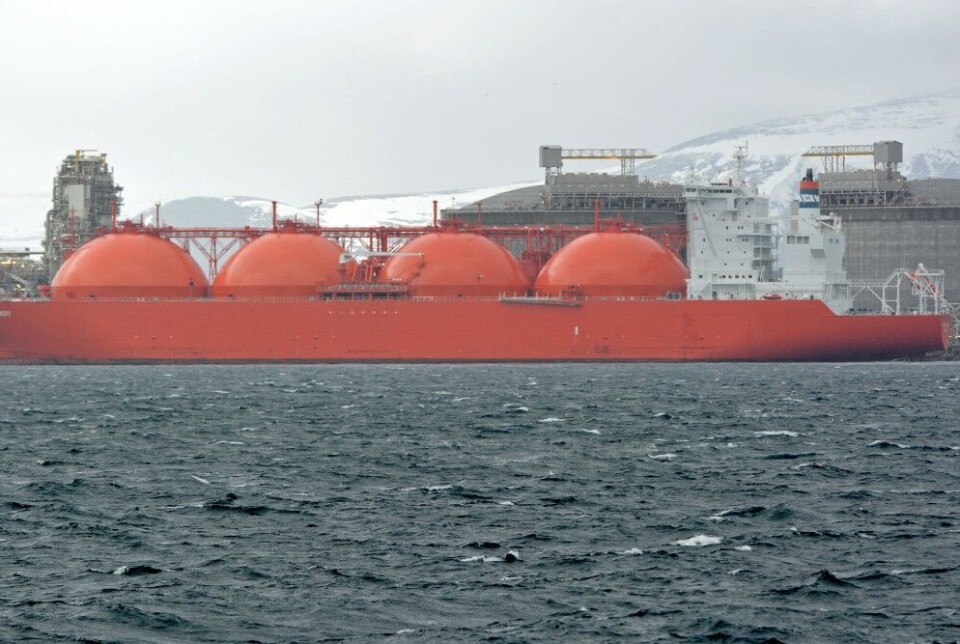
On 6 May, the Norwegian-headquartered energy company Equinor announced its results for the first quarter of 2026.
“This quarter, we have delivered exceptional operational performance and record-high production. Combined with higher prices, this has resulted in strong financial outcomes,” said Anders Opedal, President and CEO of Equinor.
The company reported net operating income of $8.78 billion and net income of $3.10 billion.
Meanwhile, Arctic temperatures continue to rise. On Svalbard, located at the north-western edge of the Barents Sea, some days in April recorded temperatures 5 to 6°C above the seasonal average.
According to the Norwegian Meteorological Institute, Svalbard experienced above-average temperatures every day throughout the month.
The extent of circumpolar sea ice was also notably low—the second lowest recorded for April since satellite measurements began in 1978.


