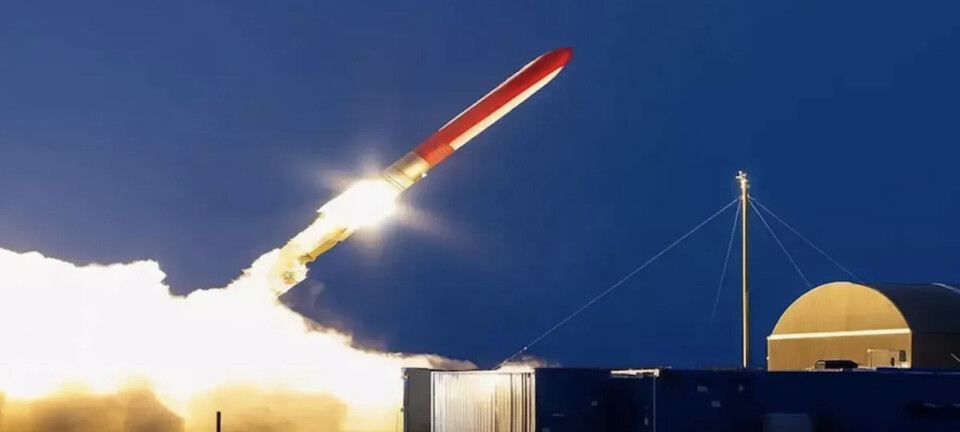
Russia warns of rocket splashdowns north of Varanger and Bear Island
Russia has issued a navigation warning for areas north of Varanger and northeast of Bear Island, in the Norwegian sector of the Barents Sea. The warning remains in force until 30 April.

Seafarers are strongly advised to avoid entering the affected zones, which cover relatively large areas. According to the notice, two payload fairings (metal structures) from a Soyuz rocket are expected to fall into the sea. As the rocket ascends through its stages, these fairings are jettisoned and descend back to Earth.
The Barents Sea is among the world’s most productive marine ecosystems, supporting some of the largest fish stocks on the planet.
The designated warning areas - one north of Norway’s Varanger Peninsula and another between Bear Island and Hopen - have been issued as NOTAMs (Notices to Airmen) and NAVAREA alerts (maritime safety information).

The warnings describe the zones as “impact areas for Russian missiles” in connection with a planned space launch.
Such long-duration warnings in the Barents Sea region are relatively uncommon. In this case, the restrictions apply for more than two weeks, from 13 April to 30 April.
According to a space launch tracking site, Russia is targeting 23 April for the launch of a series of satellites aboard a Soyuz-2-1b rocket from the Plesetsk Cosmodrome. The exact launch time will depend on factors such as weather conditions and technical considerations.
The rocket is expected to carry 16 satellites, all part of the Rassvet-3 series of Russian-built low Earth orbit satellites intended to provide high-speed broadband internet. The system is regarded as a Russian alternative to Starlink.
An initial batch of Rassvet-3 satellites was launched in March this year. In total, around 350 satellites are planned for deployment. By 2027—when the first 250 are expected to be in orbit—the service is anticipated to become commercially operational.