
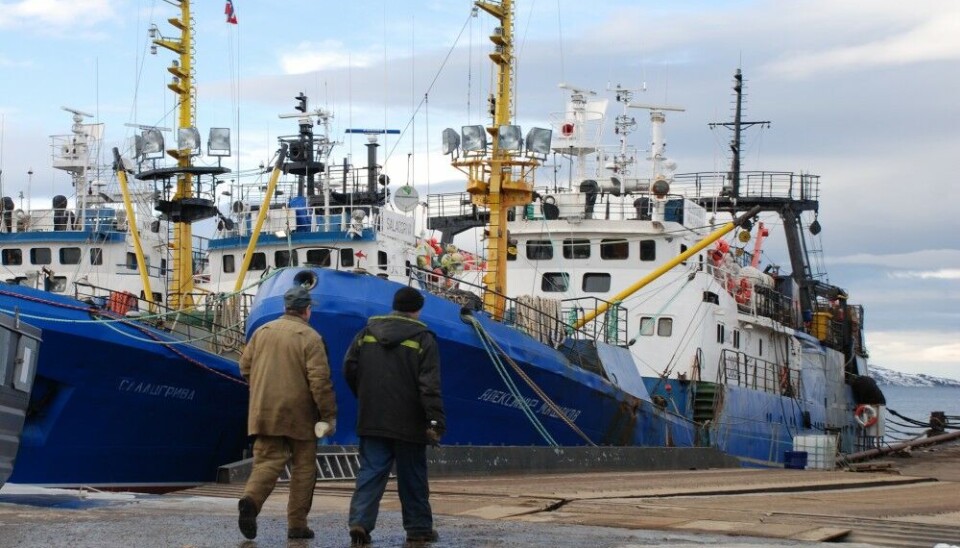
Russian cod reached record sales in Norway
Russian-caught cod generated record revenues in Norway in 2025, surpassing €90 million. However, sanctions, restricted port access, and a sharply reduced cod quota could dramatically alter the trend in the coming years.

Despite extensive sanctions that have frozen much of the trade between Norway and Russia following Russia’s full-scale invasion of Ukraine, 2025 marked a record year for Russian cod exports to Norway.
According to figures from Statistics Norway, Russian fishing vessels landed 14,000 tonnes of cod at Norwegian ports last year. Although this represents a decline from the 20,000 tonnes imported in 2024, both years saw significantly higher volumes compared to previous years.
Driven by rising prices and increased trade, the total value of Russian cod imports reached approximately €90 million in 2025. Out of the fish, that accounted for 40 percent of all Norwegian goods imported from Russia, cod makes up the majority.
Russian cod to Norway in value (2020-2025)
For the first time, the import of Russian cod surpassed one billion Norwegian kroner, approximately €90 million in today's exchange rate. Numbers are from Statistics Norway.
Sanctions and restrictions
The surge in imports comes despite several measures targeting the Russian fishing industry.
In 2022, the Norwegian government restricted Russian vessels’ access to Norwegian ports. Following the EU’s 17th sanctions package, Norway also banned two of Russia’s largest fishing companies from operating in the Norwegian economic zone and from docking at Norwegian ports.
In addition, the Russian–Norwegian fisheries cooperation agreement has set a lower catch quota for 2026. The cod quota is now at its lowest level since 1991.
These developments are expected to significantly affect coastal communities that rely on Russian cod deliveries. Despite the record figures in 2025, local industry leaders warn of serious ripple effects ahead.
“We are the only ones who truly depend on Russian deliveries”
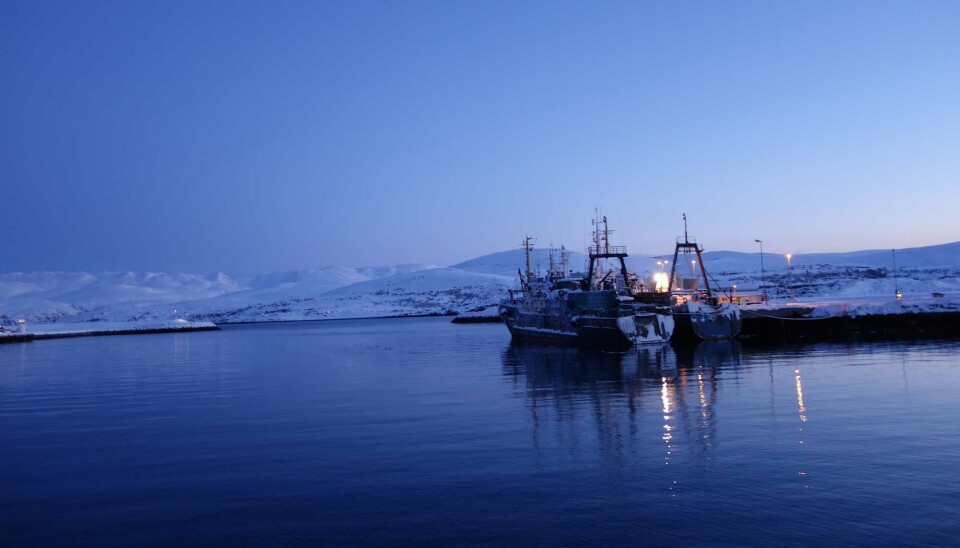
One of the ports still accessible to Russian fishing vessels is Båtsfjord, a coastal community in northern Norway. It is one of only three Norwegian ports currently open to Russian vessels. There, fish is cleared through customs before being delivered to local companies.
One of those companies is Båtsfjord Sentralfryselager, which receives and stores fish before further distribution. Managing director Frank Kristiansen says the local industry is heavily dependent on Russian vessels.
“We are the only ones who truly depend on Russian deliveries. The vessels docking in Båtsfjord have sustained local jobs. Now both the jobs and the Russian ships are set to disappear,” Kristiansen says.
According to him, Russian cod typically accounts for around 50 percent of the fish received by the company.
He believes the combined effect of sanctions and lower quotas will force major restructuring in the local industry. The impact, he says, is already visible in early 2026.
“Activity levels have dropped significantly. Fewer people are working, three employees have been temporarily laid off, and others have left. For us, that amounts to a 40 percent reduction in work capacity.”
Although Båtsfjord has experienced a sharp decline in vessel traffic, Kristiansen stresses that he does not necessarily oppose the sanctions themselves.
“What we lack is state compensation. Båtsfjord invested in infrastructure for future Russian vessel traffic, and the sanctions do not compensate for the losses faced by our local industries,” he says.
“They chose not to support the community most severely affected.”
Recent numbers from Statistics Norway tell the same tale:
Export value per January 2020-2026
Recent numbers from Statistics Norway show a decline in import activity regarding Russian cod.
Imports sharply reduced overall
While cod imports reached record levels, overall trade between Norway and Russia has declined sharply.
In a recent public statement, Statistics Norway noted:
“Before the war, petroleum products and metals made up a significant share of Norway’s imports from Russia. Among the most important goods were diesel, heating oil, and aluminium. After the invasion, these imports have been sharply reduced.”
Overall, Norwegian imports from Russia have fallen by approximately €1.3 billion. Fish, however, has emerged as the most important remaining import category.
“Fish has now become the most valuable import from Russia, driven both by rising fish imports and a steep drop in several other product categories,” the statement concludes.


