The Emirates joins Svalbard Treaty
The United Arab Emirates (UAE) has officially joined the Svalbard Treaty, in a move said to strengthen the country’s role in Arctic science.
The Emirates News Agency (WAM) quoted Assistant Minister of Foreign Affairs Abdulla Balalaa as saying that the UAE’s accession to the treaty opens new avenues for scientific and environmental cooperation.
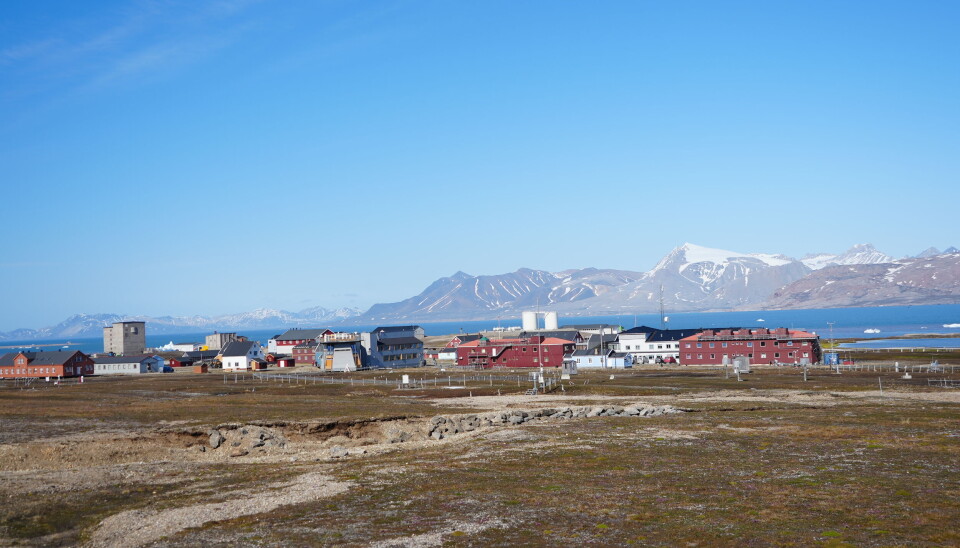
It is “enabling our scientists to contribute directly to global research initiatives at stations such as Ny-Ålesund — one of the northernmost permanent civilian research stations in the world,” Balalaa said.
“We will continue to expand our polar programmes and strengthen international partnerships that enhance climate resilience and serve future generations,” he added.
The Emirates is the 49th signatory to the 1920 Svalbard Treaty. The most recent countries to join prior to the UAE were Turkey in 2024, Serbia in 2022 (Yugoslavia acceded to the treaty in 1925), and North Korea in 2016.
The joining of the Svalbard Treaty comes after UAE's accession to the Antarctic Treaty in December 2024. The country's Foreign Ministry then said: "the UAE’s participation reflects its growing role in global environmental diplomacy and its commitment to multilateral processes that safeguard fragile ecosystems."
With the accession to the Svalbard Treaty, Chair of the Emirates Polar Programme, Mariam Almheiri, today said: “This agreement marks an important and exciting new chapter in the UAE’s engagement with Arctic science, enabling us to contribute meaningfully to global research efforts. It also strengthens opportunities for deeper scientific cooperation and participation in joint Arctic expeditions alongside leading nations, helping to safeguard some of the world’s most fragile ecosystems.”
The United Arab Emirates is a country situated at the eastern end of the Arabian Peninsula, with Abu Dhabi serving as its national capital.
UAE is the second country in the Gulf region to sign the Svalbard Treaty. Neighbouring Saudi Arabia (at that time the Kingdom of Hejaz) signed already in 1925.
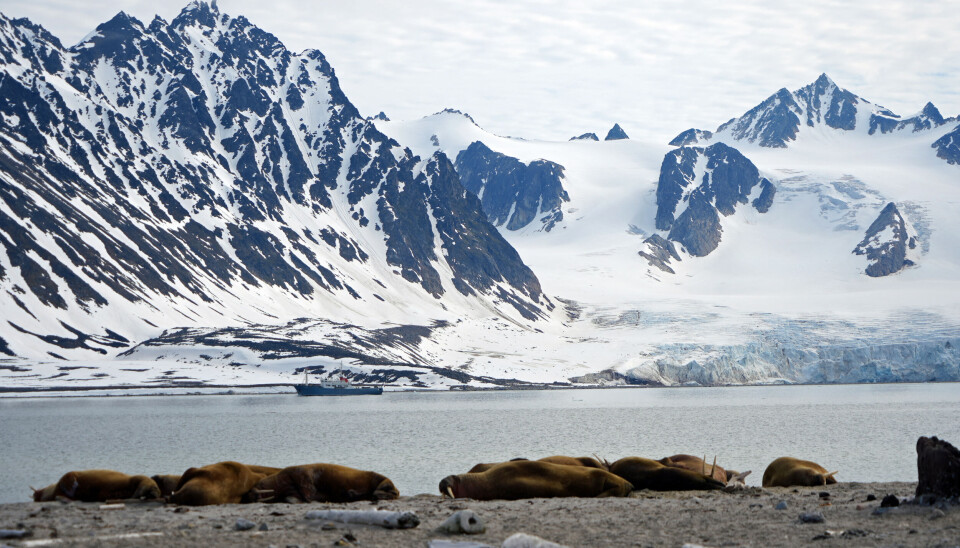
In 1920, Norway was granted sovereignty over the archipelago through the Svalbard Treaty (“Treaty concerning the sovereignty of Norway over the Archipelago of Spitsbergen, including Bear Island”). The treaty also established Svalbard as an economic free zone and stipulated that the archipelago “may never be used for warlike purposes”. When the treaty came into force in 1925, the name of the archipelago was changed to Svalbard.
Russia's BRICS+ initiative
Today, Russia is the only country other than Norway with economic activities on Svalbard. The state-owned company Arktikugol operates the coal-mining town of Barentsburg, which has around 250 inhabitants.
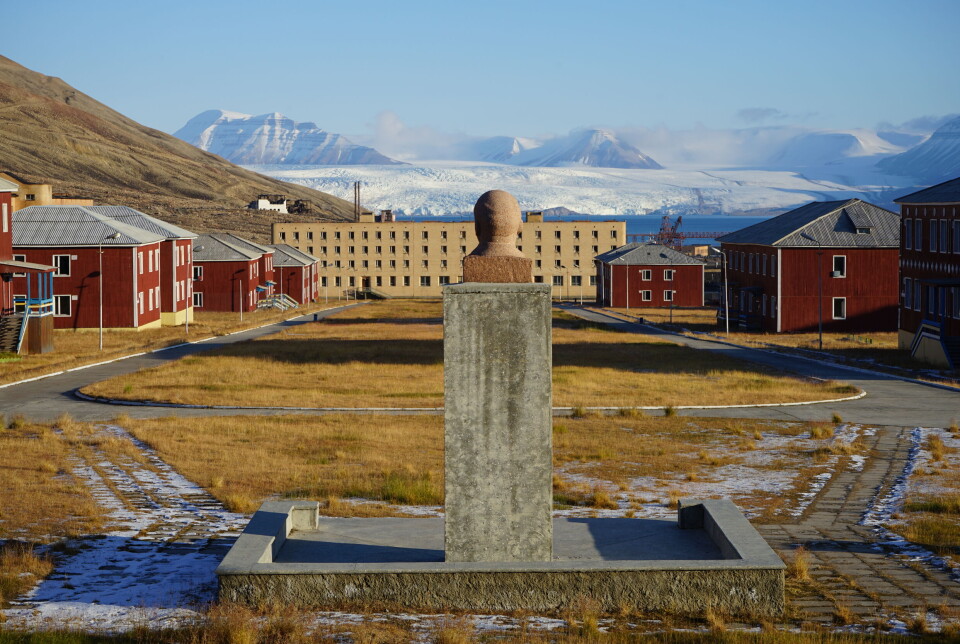
Moscow has announced plans to establish an international science hub in Pyramiden, a Soviet-era ghost town where coal mining ceased more than two decades ago. To support this initiative, Arktikugol has been tasked with identifying partner nations, with a particular focus on the BRICS+ countries.
The United Arab Emirates joined BRICS+ in 2024, the same year Russia chaired the economic bloc, which comprises Brazil, Russia, India, China, South Africa, Egypt, Ethiopia, Iran, Saudi Arabia, and Indonesia.